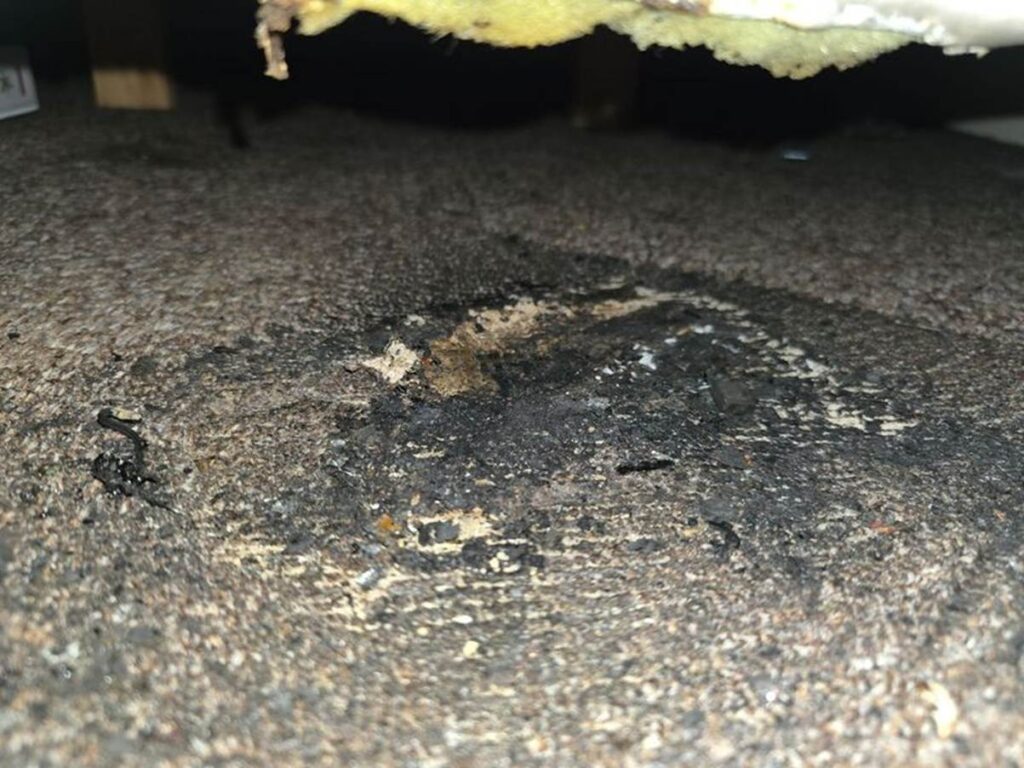
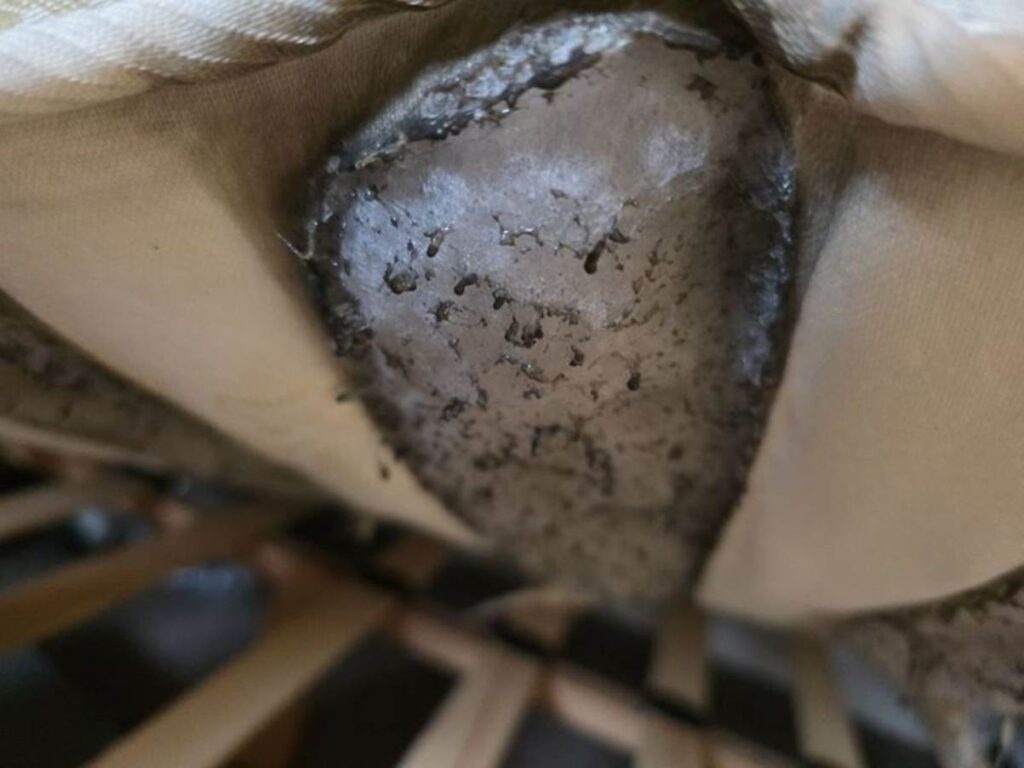
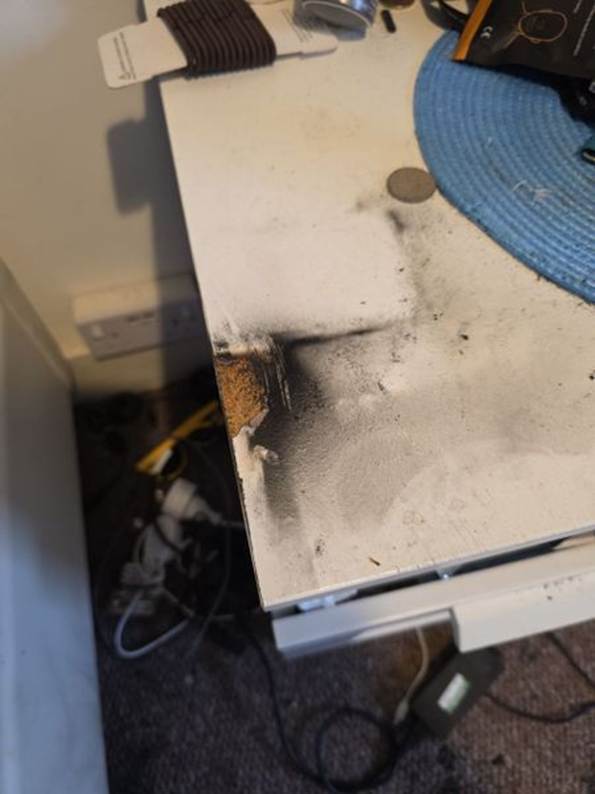
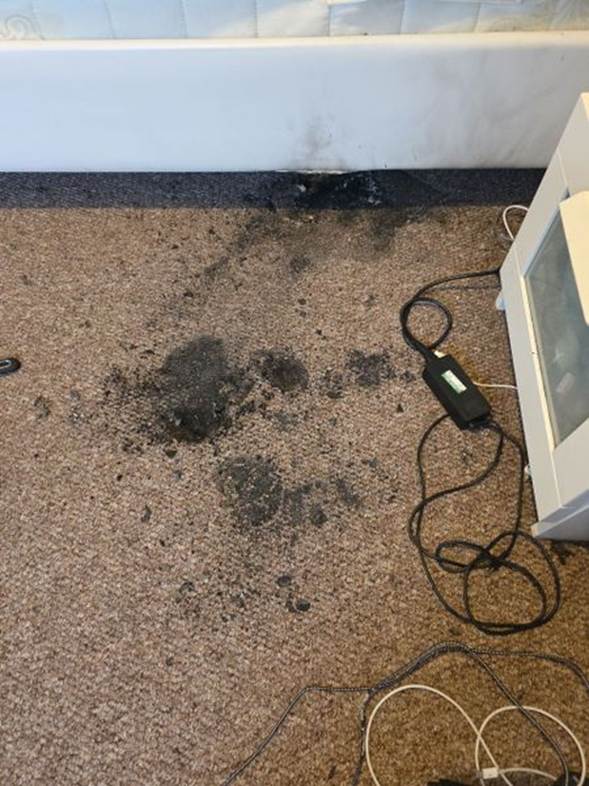
Lithium batteries power everything from smartphones to e-scooters. While they are efficient and widely used, they also present a growing safety concern particularly in rental properties.
In the UK, lithium battery fires have increased significantly in recent years, with a reported rise of 46% between 2022 and 2023. These incidents can lead to serious property damage and, in some cases, loss of life.
Understanding lithium battery risks in rental properties and how to reduce them is becoming increasingly important for landlords, letting agents, and inventory clerks.
Why Lithium Batteries Catch Fire
Lithium batteries store a high amount of energy in a small space. When they fail, they can enter a process known as thermal runaway.
This is a rapid chemical reaction that:
- Generates extreme heat (up to 1,000°C)
- Releases flammable and toxic gases
- Can cause fires or explosions
Once thermal runaway begins, it is very difficult to stop.
4 Common Causes of Lithium Battery Fires
Understanding the most common causes of lithium battery fire risk can help prevent serious incidents.
Charging Errors
Using incorrect, damaged, or low-quality chargers can lead to overheating and battery failure.
Physical Damage
Dropping devices or damaging battery packs (common with e-scooters and e-bikes) can cause internal short circuits.
Extreme Temperatures
Exposure to heat or freezing conditions can destabilise lithium batteries and increase fire risk.
Low-Quality or Modified Batteries
Non-branded or altered battery systems are significantly more likely to fail.
Lithium Battery Risks: Phones vs E-Scooters
Phones and Laptops
While less common, lithium battery fires in personal devices still occur — especially when:
- Using cheap or counterfeit chargers
- Charging on soft furnishings like beds or sofas
- Blocking ventilation, causing heat build-up
E-Scooters and E-Bikes
E-scooter battery fires present a much higher risk due to battery size and power.
Key risks in rental properties include:
- Charging in escape routes
Hallways and entrances are often used for storage, but this can block exits during a fire. - Water damage
Exposure to rain can cause internal battery failure and increase fire risk.
6 Warning Signs of Lithium Battery Failure
Recognising early warning signs can help prevent a lithium battery fire.
Stop using the device immediately if you notice:
- Battery overheating (too hot to touch)
- Bulging or swelling casing
- Hissing, cracking, or popping sounds
- Strong chemical odours
- Leaking fluid
- Smoke (leave the property immediately and call emergency services)
Lithium Battery Safety Tips for Rental Properties
Following simple lithium battery safety tips can significantly reduce risk.
Use Approved Chargers
Always use manufacturer-approved or reputable branded chargers.
Avoid Overcharging
Do not leave devices charging for extended periods or overnight.
Charge on Safe Surfaces
Use hard, non-flammable surfaces — avoid beds, sofas, or carpets.
Keep Escape Routes Clear
Do not charge e-scooters or large batteries in hallways or near exits.
Install Fire Detection
Ensure smoke alarms are installed and working. Consider heat alarms in garages or kitchens.
What Inventory Clerks and Landlords Should Look For
Lithium battery risks are increasingly relevant during property inspections.
Inventory clerks and landlords should be aware of:
- E-scooters or e-bikes stored inside the property
- Charging setups in unsafe locations
- Visible battery damage or swelling
- Poor storage or ventilation
Mid-term inspections are an important opportunity to identify and report these risks early.
What To Do in a Lithium Battery Fire
Lithium battery fires are dangerous and produce toxic fumes.
If a fire occurs:
- Do not attempt to extinguish it
- Evacuate the property immediately
- Call emergency services
Final Thoughts
Lithium battery risks in rental properties are increasing, particularly with the rise of e-scooters and personal tech.
For landlords and inventory clerks, this is not just a safety issue — it is also about awareness, reporting, and risk management.
Clear documentation and regular inspections play a key role in identifying potential hazards before they become serious incidents.